


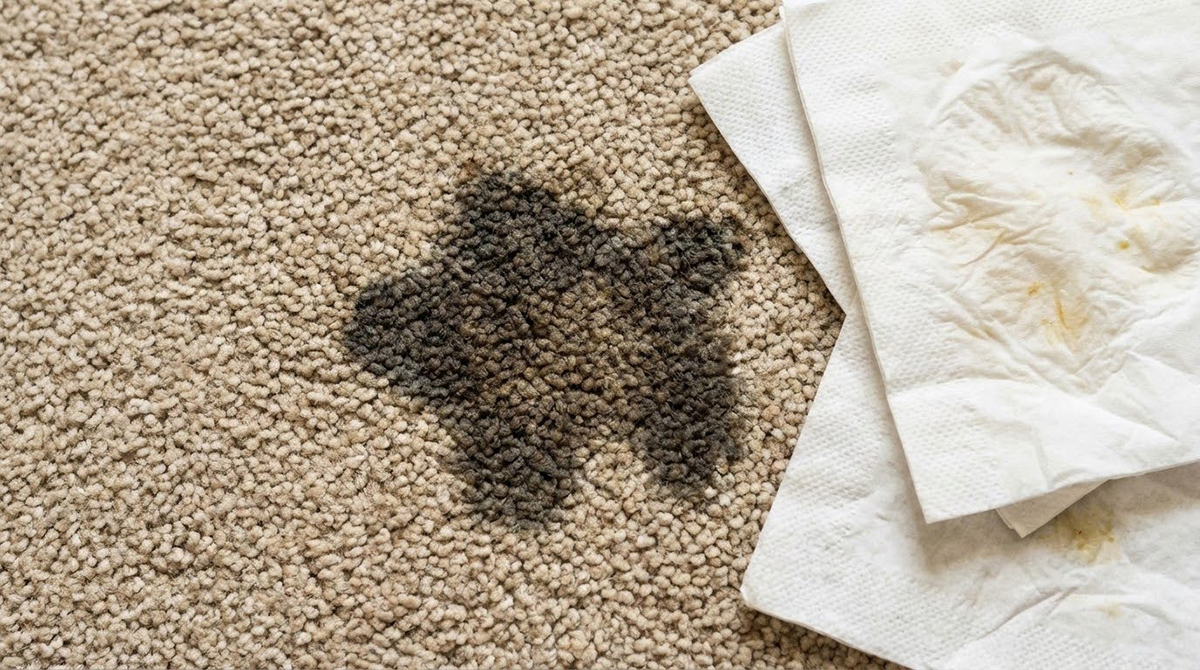
Grease and oil stains are among the hardest to remove from carpet. They bond tightly with fibres and can sink below the surface within minutes. Stains treated within the first 30 minutes have removal rates of 85% to 95%, while those left for 24 hours drop to 60% to 75%.1 Quick action makes a real difference. The right method matters just as much if you want a clean result without spreading the stain deeper into the fibres. In this blog, we’ll walk through practical, proven carpet grease stain removal tips that help you deal with fresh spills and set-in stains the right way.
Why Grease And Oil Are So Difficult To Remove
Oil-based stains behave differently from water-based ones. They are hydrophobic, which means water alone will not lift them out. Instead of sitting on the surface, oils can spread across fibres and move deeper into the carpet structure.
Synthetic materials such as polyester and polypropylene are more prone to holding onto grease. These fibres allow oil to seep into their internal structure, which makes stain removal more difficult over time. Once the stain settles in, basic cleaning will not reach it.
The First Steps After A Spill
Acting quickly helps limit how far the stain spreads. Start with simple mechanical steps before introducing any cleaning solution.
- Scoop away any solid or thick residue using a spoon or dull edge
- Apply baking soda or cornstarch to absorb excess oil
- Let the powder sit for at least 15 minutes
- Vacuum thoroughly to remove the absorbent material
- Blot gently with a clean cloth, working from the outer edge inward
These steps remove surface oil before it bonds deeper into the fibres, which improves your chances of a full clean.
How To Clean Oil From Carpet Without Causing Damage
Many stains become worse because of the wrong approach. A few common mistakes can push grease further into the carpet or leave behind residue that attracts dirt.
- Scrubbing spreads the stain and forces it deeper
- Excess water can soak the backing and lead to moisture problems
- Mixing cleaning products can create harmful fumes
- Applying direct heat can damage synthetic fibres or set the stain
Health Canada outlines important safety practices when using cleaning products at home, including why you should never mix certain chemicals and how to reduce exposure risks.2
A carpet that stays damp for too long can also develop odours or indoor air issues. Controlled cleaning and proper drying help prevent these problems from developing.
The Best Ways To Remove Grease From Carpet
Different types of grease require different treatment methods. Using the wrong approach often leads to partial cleaning or recurring stains.
| Stain Type | Cleaning Approach | What To Watch For |
| Cooking oil and food grease | Use a mild dish soap solution with lukewarm water, then rinse with clean water | Avoid leaving soap residue behind |
| Heavy food grease | Apply a controlled alkaline cleaner if appropriate | Test first on delicate fibres |
| Motor oil or garage grease | Use a solvent-based cleaner applied to a cloth | Never pour directly onto the carpet |
| Wool carpets | Use pH-balanced, low-temperature methods | High pH products can damage fibres |
Remove Grease Stains From Carpet Using Proper Technique
For food-based stains, a small amount of clear dish soap mixed with water can help break down grease. The key is using a light solution, then blotting and rinsing thoroughly. Too much soap leaves residue that attracts dirt later.
For heavier or non-food oils, solvent-based cleaners work better because they dissolve grease instead of trying to lift it with water. Apply the cleaner to a cloth and press it into the stain. This helps control the application and avoids damaging the carpet backing.
In both cases, blotting is more effective than rubbing. Slow pressure pulls the stain out instead of spreading it. If you are dealing with other types of marks at the same time, it helps to understand how to get stains out of carpet using methods that match each stain type.Challenging Oil Stain Removal: Carpet Situations That Need Professional Help

Some stains go beyond what home cleaning can handle. Deep or repeated oil stains often require professional equipment to fully extract the residue.
Consider professional carpet cleaning when:
- The stain covers a large area
- Grease has likely reached the backing
- The carpet is made of wool or delicate fibres that call for specialized wool carpet cleaning
- Odours remain after treatment
- The stain reappears after drying
Professional hot water extraction uses controlled heat, pressure, and suction to remove oil and residue from the full depth of the carpet. This method is often the most reliable option when home methods are no longer enough.
Recurring stains are often a sign that your rug needs professional cleaning to remove what is trapped below the surface.
Preventing Future Grease And Oil Stains
Preventing buildup is easier than dealing with set-in stains. Grease often comes from everyday sources like cooking, foot traffic, and garage entry points.
- Place durable mats at entrances, especially from garages or driveways
- Remove shoes before walking across carpeted areas
- Vacuum high-traffic areas at least twice a week
- Maintain indoor humidity between 30% and 50%
- Schedule professional cleaning every 6 to 12 months
Health Canada also provides detailed guidance on how substances like automotive grease and fuels can release harmful compounds indoors and affect air quality over time.3
These steps help reduce how much oil reaches the carpet in the first place. Over time, they also make future cleaning easier and more manageable.
Final Thoughts
Grease and oil stains require a different approach than most common spills. Acting quickly, using the right method, and avoiding common mistakes can prevent long-term issues. Learning how to remove cooking oil stains from the carpet also helps you handle one of the most common household spills before it sets in.
Small stains can often be handled at home with careful technique. Larger or deeper ones usually need professional help to fully remove the residue. Regular maintenance keeps carpets looking clean and helps extend their lifespan.
When home methods fall short, Love Your Rug delivers a deeper, fibre-safe clean. Get your quote today.
References
- Marçon, Carolina Reato. “Phenol in dermatology: updated evidence on efficacy and safety.” Anais brasileiros de dermatologia vol. 100,5 (2025): 501200. doi:10.1016/j.abd.2025.501200
- Health Canada. “Use Household Chemicals Safely.” Canada.ca, 20 Feb. 2024, www.canada.ca/en/health-canada/services/home-safety/household-chemical-safety.html.
- “Proposed Residential Indoor Air Quality Guidelines for Benzene.” Canada.ca, 5 Nov. 2024, www.canada.ca/en/health-canada/programs/consultation-proposed-residential-indoor-air-quality-guidelines-benzene/document.html.

Ottawa Allergy Season: Can Dirty Carpets Make It Worse?
Seasonal allergic rhinitis affects roughly one in five people across Canada, and Ottawa sits well within that range. Clinics see more itchy eyes and sneezing every spring, mostly blamed on
How Ottawa’s Humidity Levels Affect Mould Growth in Carpets
Ottawa summers push indoor air close to saturation. In July, the region’s monthly maximum relative humidity climbs to somewhere between 91 and 100%, and all that vapour presses inward through